


Feed Distribution · Imetec
Self-Chassis Hydrostatic Feed Wagon
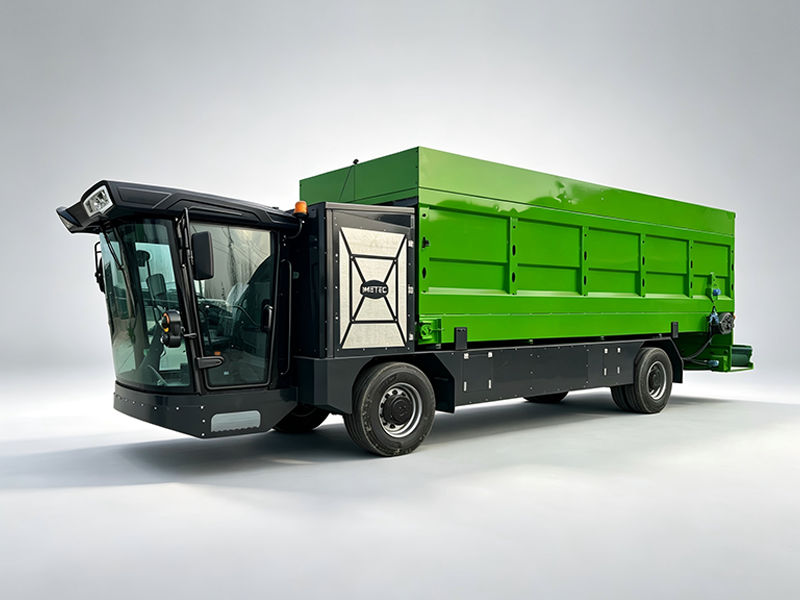
The difference on this wagon is the chassis: it is built in Imetec's own plant rather than adapted from a road vehicle, and it is matched to a hydrostatic drive. That gives stepless speed control, so the operator sets the…
01 — Technical configuration
Built around
your operation.
Optional attachments and special-duty versions are confirmed on the order drawing.
- Model
- Self-chassis hydrostatic feed wagon (model confirmed on order)
- Capacity
- Body 8–20 m³
- Power
- Diesel, hydrostatic drive
- Dimensions
- Calculated per configuration (confirmed on the order drawing)
- Weight
- Calculated per configuration (confirmed on the order drawing)
- Core configuration
- Hydrostatic travel with stepless speed, belt or auger discharge, adjustable even spreading
- Integrated functions
- Transport + feed + distribute in one — hydrostatic stepless drive pulls away without wheel slip on soft floors
- Options & customisation
- Body volume, discharge type, discharge side
- Typical application
- Daily ration delivery on large farms
- Origin
- Taian, Shandong · own plant
- Supply
- Options quoted separately
- Service
- Long-term OEM spare parts
02 — Product details
A closer look at
the machine.
Explore the design, operating approach and practical considerations behind this model.
The difference on this wagon is the chassis: it is built in Imetec’s own plant rather than adapted from a road vehicle, and it is matched to a hydrostatic drive. That gives stepless speed control, so the operator sets the pace along the bunk instead of working around gear steps.
Discharge is continuous and the rate is adjustable, which keeps the feed line even from the first pen to the last. The layout keeps wear parts accessible and the hydraulic system simple, so daily servicing is short and the machine stays in the daily feeding round.
It is aimed at farms that feed every day of the year and want a chassis that is repairable locally rather than replaced.
The Imetec hydrostatic chassis feed wagon uses the company’s own chassis and a hydrostatic drive for stepless speed control along the bunk. The operator can match the discharge rate to the feed table without stopping and starting.
Continuous discharge and a low-maintenance layout make it a practical machine for daily feeding. It is designed for farms that want a smooth, controlled pass and a wagon that is easy to service.
It is best suited to farms that feed several times a day and want a smooth, controlled pass along the bunk. The hydrostatic drive lets the operator adjust speed and discharge without stopping the machine.
Regional naming, capacity and delivery questions about this model.
It gives stepless speed control and full torque at low speed, so the wagon pulls away on soft or sloped floors without wheel slip. That is the practical reason farms choose a hydrostatic feed wagon over a mechanical transmission.
Body volume 8–20 m³, diesel hydrostatic drive, with belt or auger discharge. The discharge type and side follow your feeding line.
Yes. It loads, mixes while travelling and discharges along the feed table, so one operator covers the whole round without a stationary mixer.
Tell us about your herd, feeding routine and current equipment. Our team will respond with a suitable configuration and quotation.
04 — Related models
Other machines
in the same line.
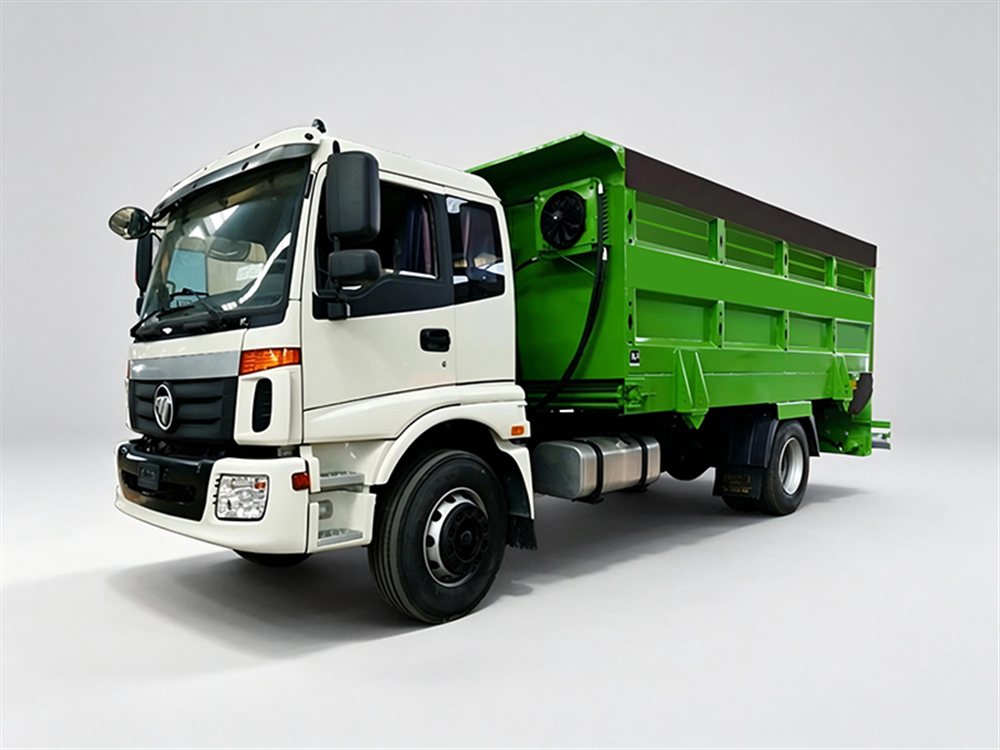 Feed DistributionHeavy-Truck Feed SpreaderThe larger truck-mounted spreader, built for operations that feed several barns or a feedlot from a single mixing si…View model →
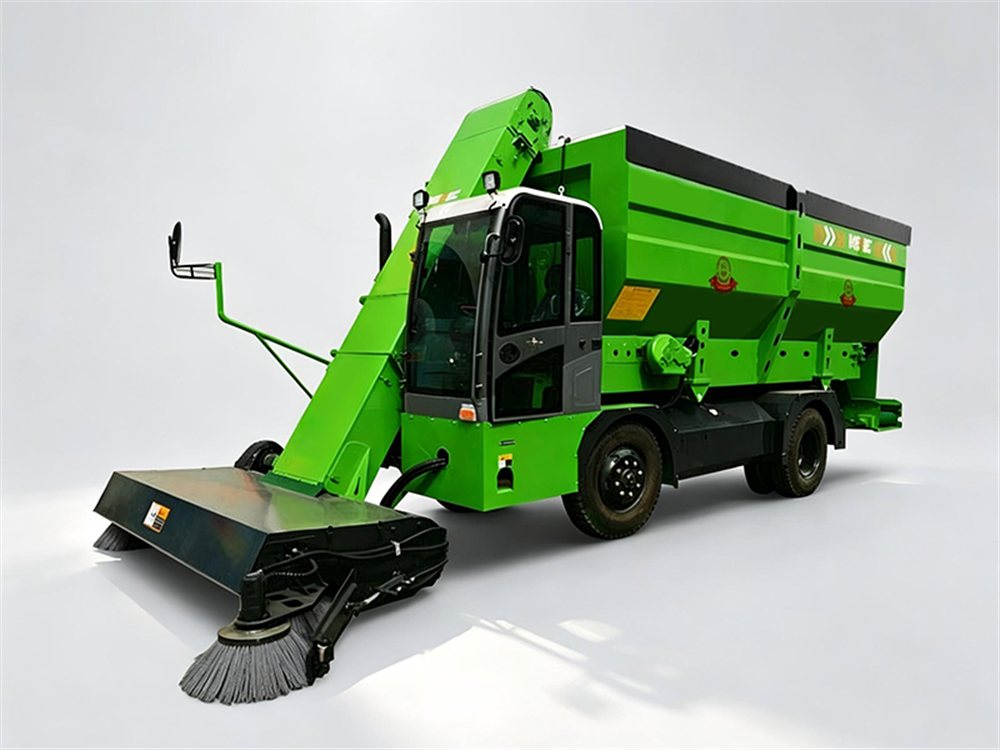 CollectingCollect-and-Spread Feed WagonA wagon that collects leftovers at the bunk and either re-mixes them into the ration or spreads a fresh mix along th…View model →
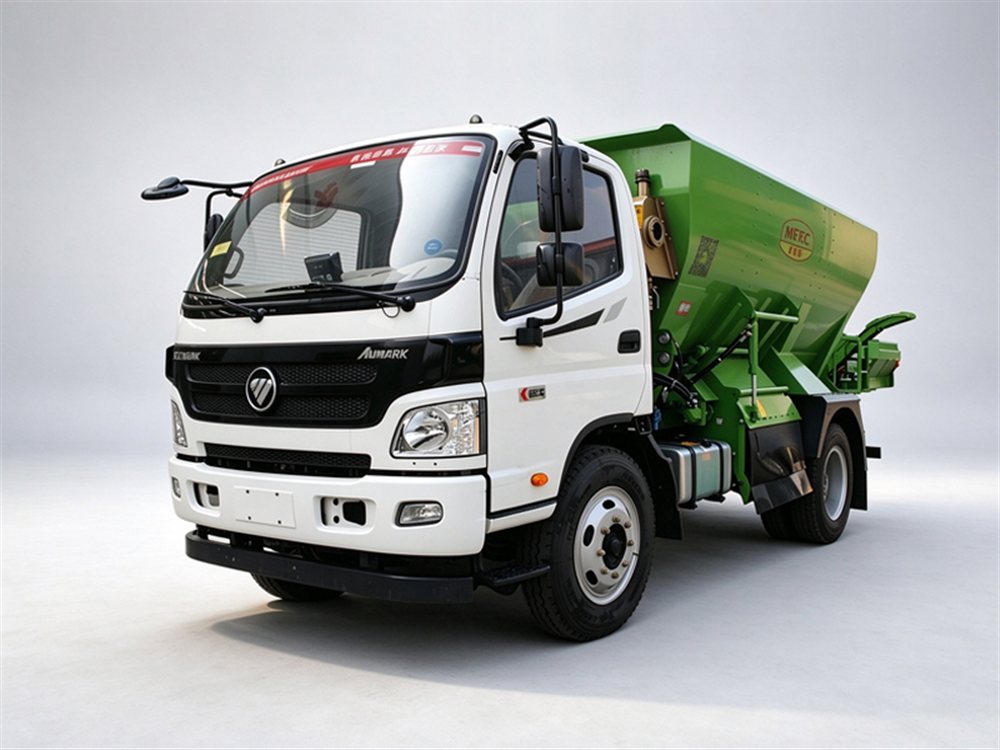 Bedding SpreadingLight-Truck Bedding SpreaderThe light-truck bedding spreader carries sand, sawdust, straw or separated solids and lays a level bed in the free s…View model →
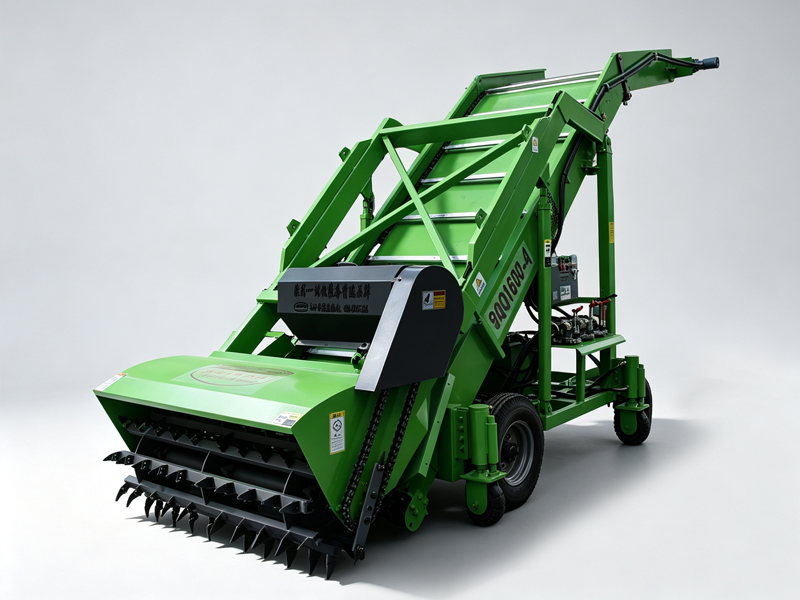 Forage ReclaimingSilage Reclaimer — Horizontal TravelCuts a flat, clean silage face to stop secondary fermentation, then loads straight into the TMR mixer — one operator…View model →
05 — Next step
Herd size, barn width,
current ration.
Send those three numbers and we come back with one configuration and a price — not a catalogue.