


Collecting · Imetec
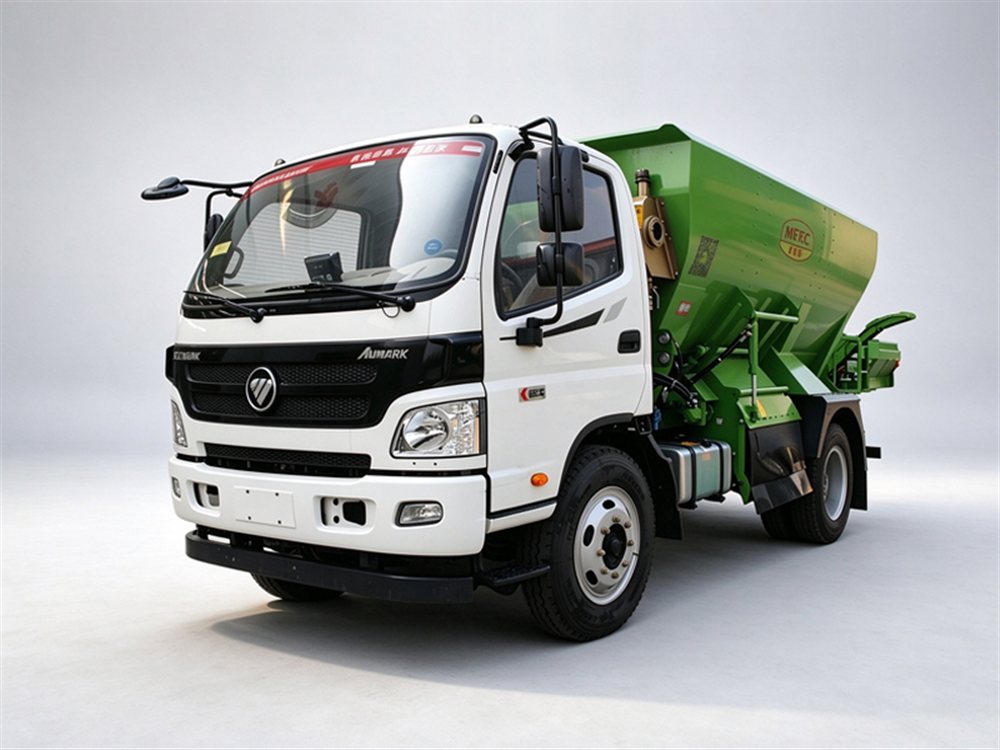
Self-Unloading TMR Leftover Collector
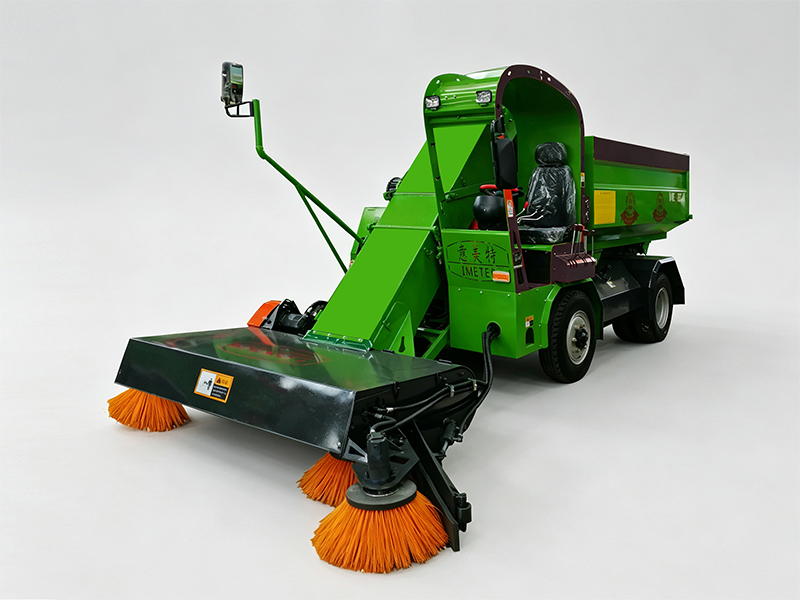
Leftover feed on the bunk is both waste and a hygiene problem. This collector runs down the feed lane with a front sweeper brush and a collecting auger, picking up residual TMR, spilled forage and rejected feed as it travels.
01 — Technical configuration
Built around
your operation.
Optional attachments and special-duty versions are confirmed on the order drawing.
- Model
- Collecting-mixing-spreading wagon (model confirmed on order)
- Capacity
- 3–30 m³
- Power
- Diesel or electric
- Dimensions
- Calculated per configuration (confirmed on the order drawing)
- Weight
- Calculated per configuration (confirmed on the order drawing)
- Core configuration
- Push-collect leftovers, mix, then spread, with on-board weighing to avoid double handling
- Integrated functions
- Collect + mix + spread + weigh (four in one) — leftovers go straight back to the feed table with zero feed waste
- Options & customisation
- Volume, power type, discharge side
- Typical application
- Large farms that need to control leftover losses
- Origin
- Taian, Shandong · own plant
- Supply
- Options quoted separately
- Service
- Long-term OEM spare parts
02 — Product details
A closer look at
the machine.
Explore the design, operating approach and practical considerations behind this model.
Leftover feed on the bunk is both waste and a hygiene problem. This collector runs down the feed lane with a front sweeper brush and a collecting auger, picking up residual TMR, spilled forage and rejected feed as it travels.
The self-propelled body is narrow enough for the feeding alleys of large dairy and beef barns, and the load is carried on board and tipped hydraulically, so the operator cleans a whole row and disposes of it in one pass.
Collected material can go back into the ration, to the compost heap or into a trailer, depending on what the farm decides.
The Imetec self-unloading TMR leftover collector sweeps leftover TMR and loose forage off the bunk, carries it on board and tips it out. It cleans the feed lane without a second machine, and it reduces the feed that would otherwise be pushed aside or wasted.
The collector is built for farms that want a cleaner feed table and a simple way to recover leftovers. It suits daily routines where the feeder and the cleaner need to work together.
It is useful where leftovers build up at the feed table and need to be removed before the next feeding. The collector carries the material on board, so there is no second trailer or extra pass.
Regional naming, capacity and delivery questions about this model.
It pushes and collects feed left at the feed table, mixes it with fresh ration, and spreads it back along the bunk. In the US this job is often done by a refeeder or push-off wagon; the principle is the same.
Because refeeding is only worth it if the ratio is controlled. On-board weighing lets the operator log what came back and match it with fresh feed, so the ration stays consistent and waste is visible.
3 to 30 m³, diesel or electric, with the discharge side matched to your feed table. Larger units suit farms running several barns from one feed kitchen.
Tell us about your herd, feeding routine and current equipment. Our team will respond with a suitable configuration and quotation.
04 — Related models
Other machines
in the same line.
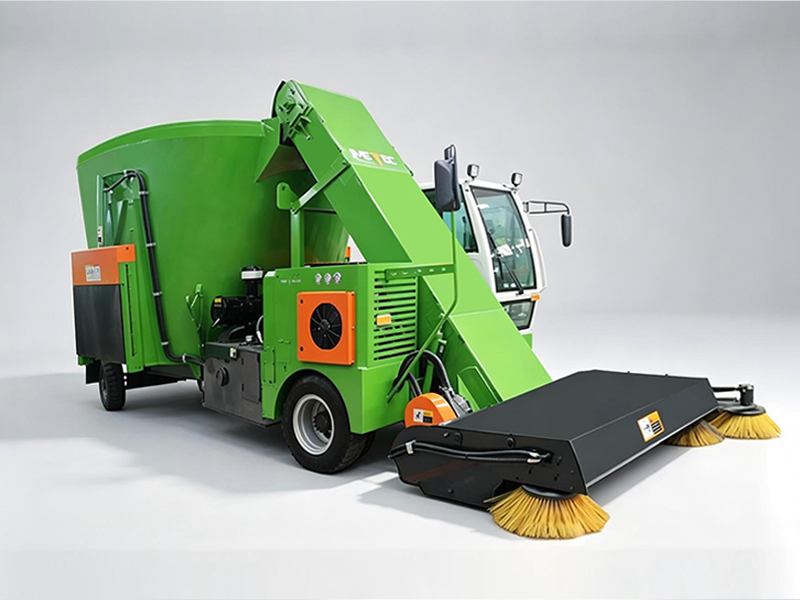 MixingCollect-Mix-Feed Combination UnitOne machine collects leftover feed, mixes it and delivers it back to the alley: full hydraulic drive, on-board weigh…View model →
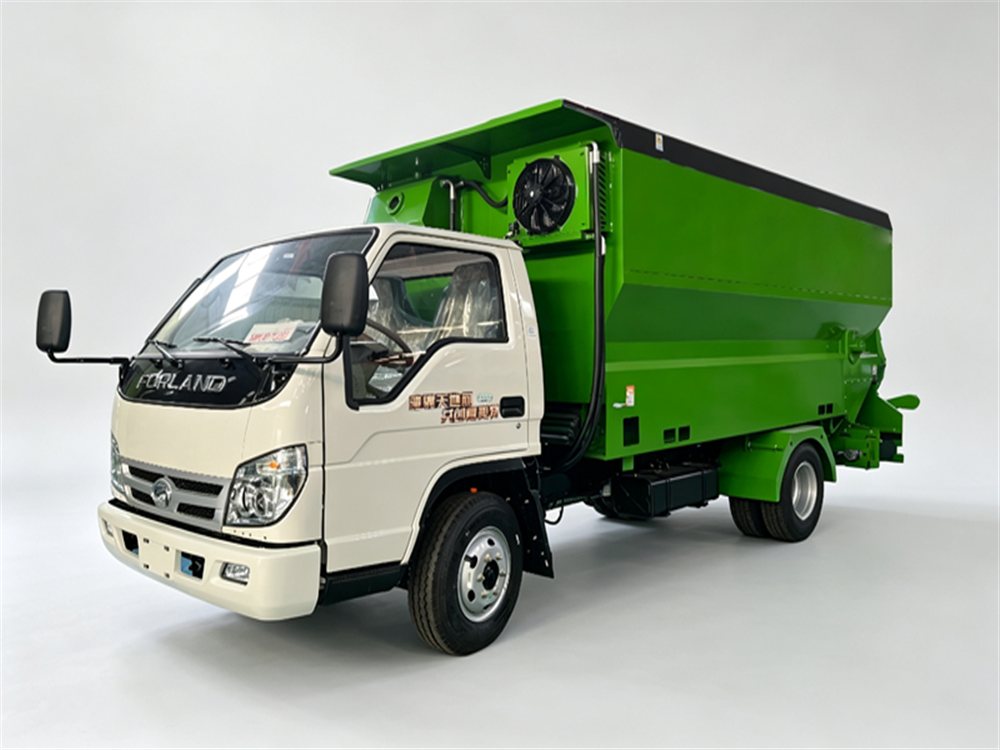 Feed Distribution9SLQ Four-Wheel Feed Spreader (Light Truck)The 9SLQ puts a four-wheel feed spreader on a light truck chassis, so one machine carries and spreads a full ration …View model →
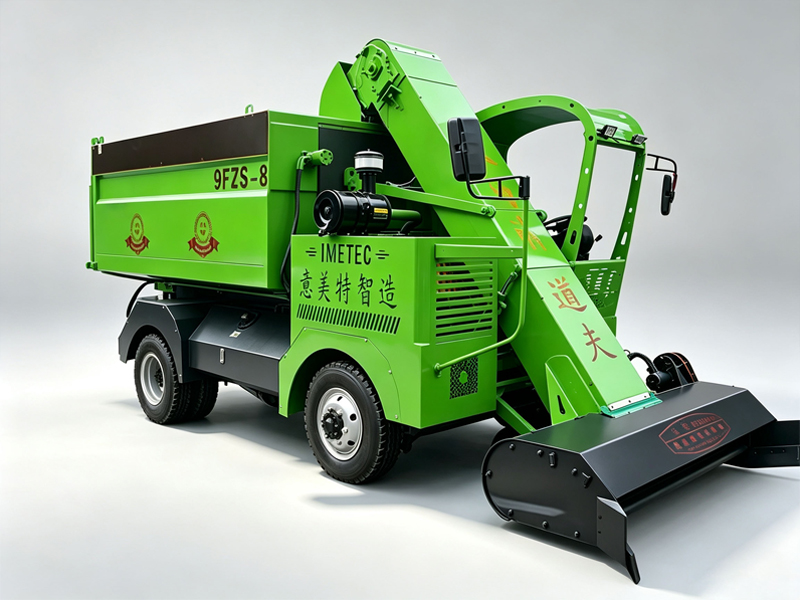 Manure Cleaning9FZS Self-Propelled Manure Scraper — 2WDA four-wheel self-propelled scraper that collects, stores, transports and dumps manure in one machine — one pass dow…View model →
 Bedding SpreadingLight-Truck Bedding SpreaderThe light-truck bedding spreader carries sand, sawdust, straw or separated solids and lays a level bed in the free s…View model →
05 — Next step
Herd size, barn width,
current ration.
Send those three numbers and we come back with one configuration and a price — not a catalogue.